Mount Kilimanjaro Trekking

TREK DIFFICULTY

Difficult

TREK DURATION

5 - 11 days

HIGHEST ALTITUDE

19,341 ft

SUITABLE FOR

18 to 55 years

Ascent to Africa’s Highest Peak

Introduction to Mount Kilimanjaro Trekking

Kilimanjaro needs no introduction. Mount Kilimanjaro Trekking offers the unparalleled experience of standing atop the world’s highest free-standing mountain.

The Machame Route Experience

At Kilimanjaro And Safari Specialist, we guide you to the summit via the Machame Route. This path combines adventure with strikingly diverse scenery.

Transformative Scenery Over Six Days

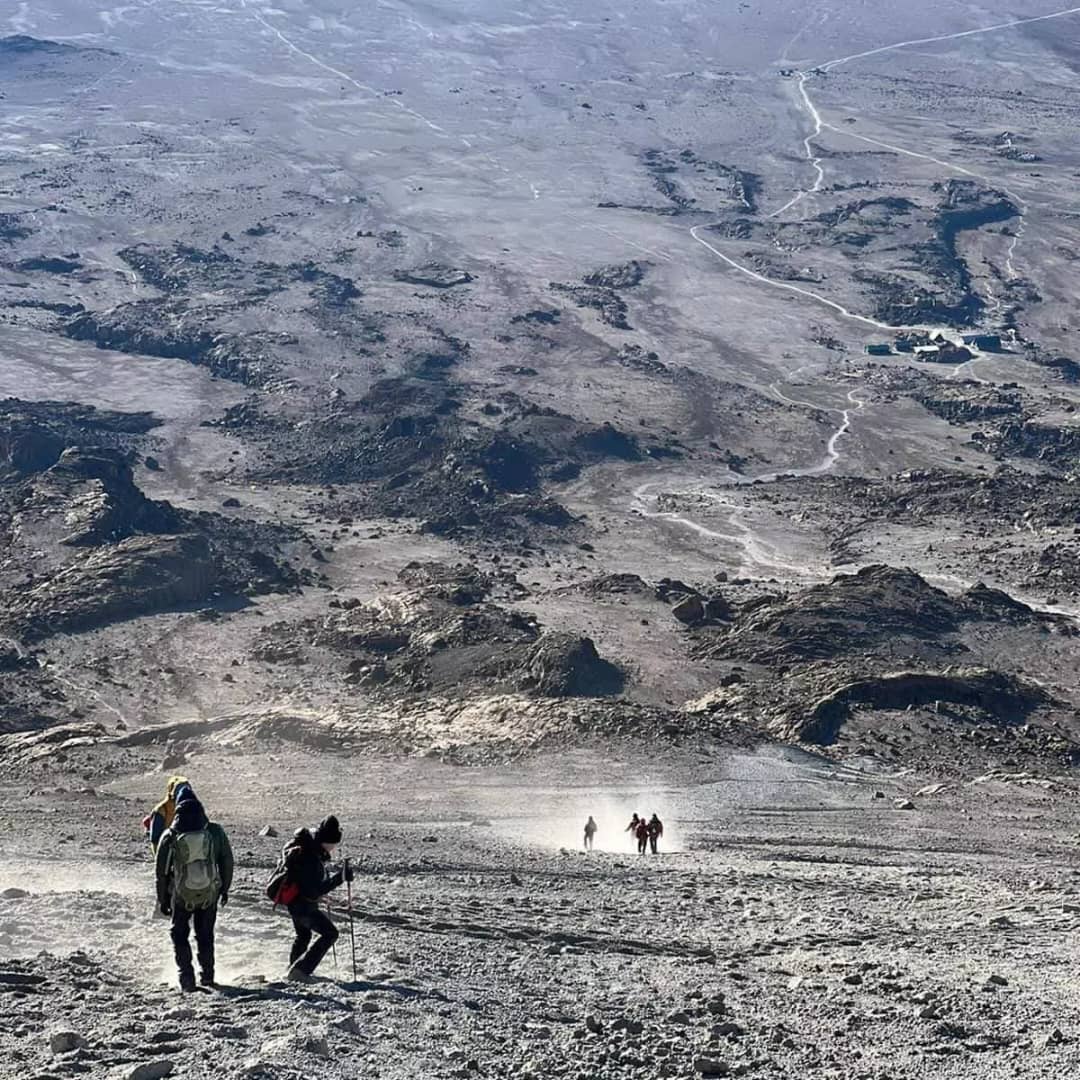
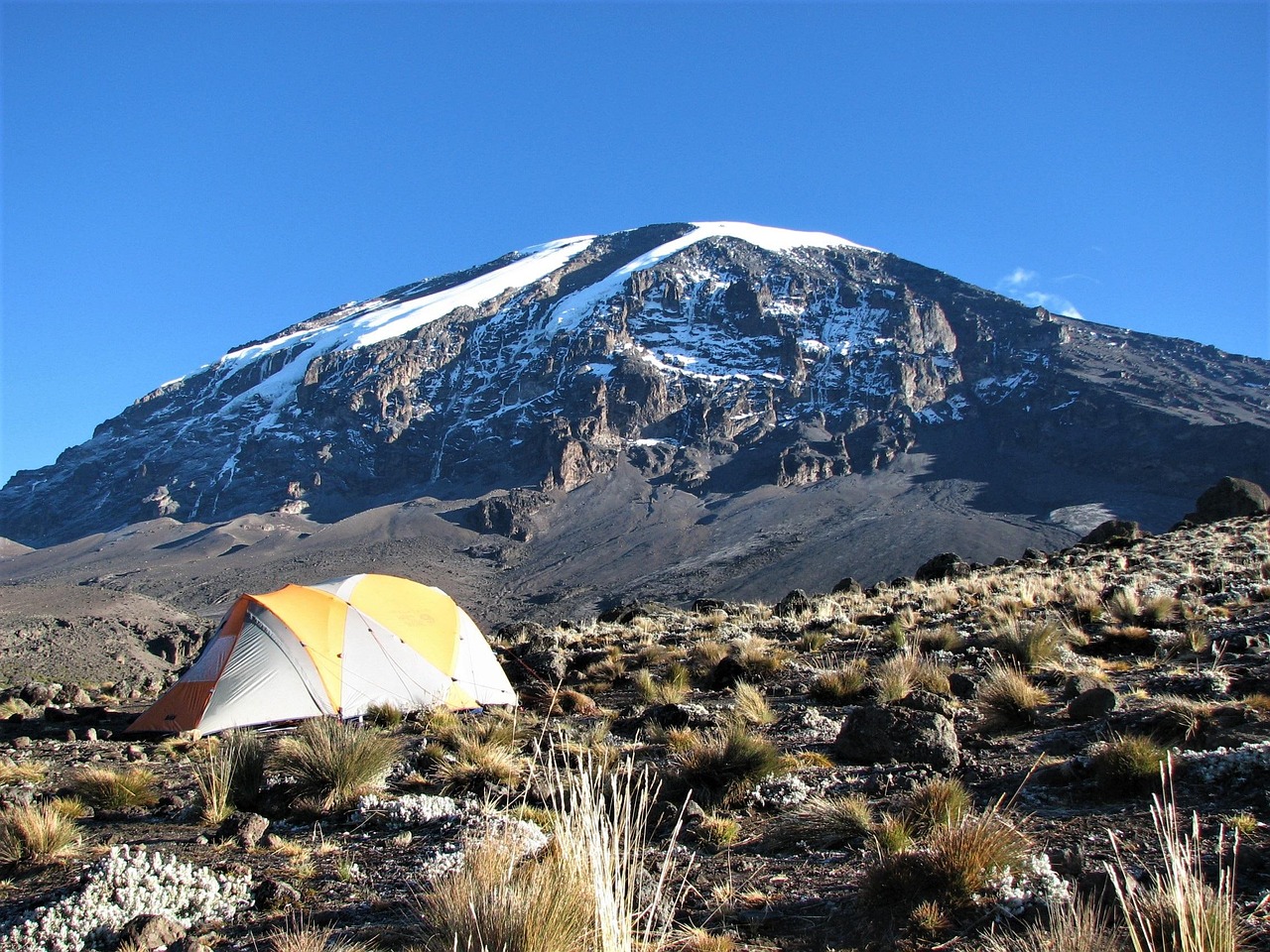
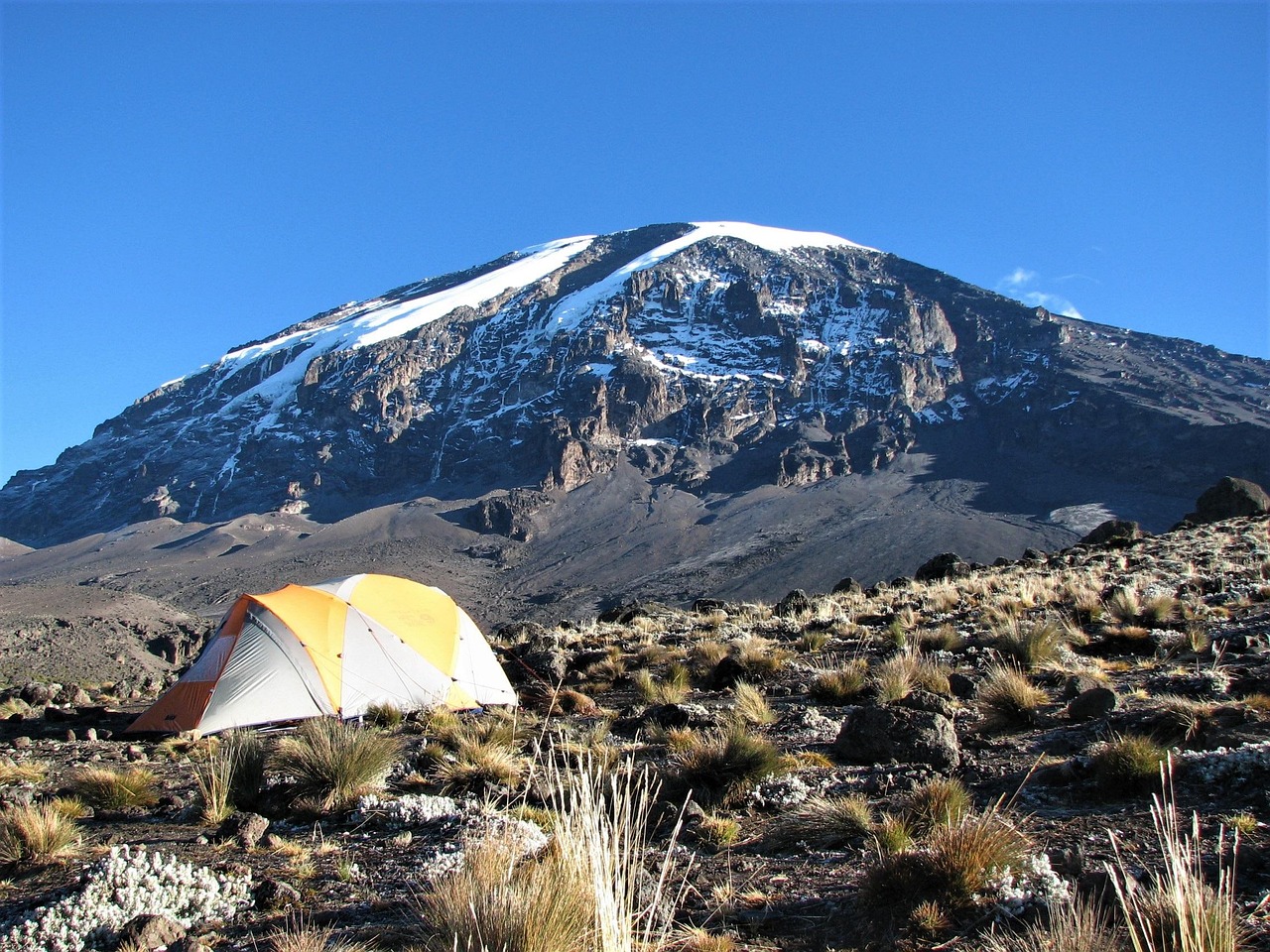
Over six days, the landscape transforms dramatically. On Day 1, you gaze at the mountain rising from the plains. As you trek, you move through cultivated fields, dense rainforests, and moorlands and suddenly find yourself in alpine deserts filled with rock and scree. Beyond that, you encounter arctic snowfields and glaciers—a breathtaking journey.

Immersion in Local Tanzanian Culture

This trek immerses you in the rich local Tanzanian Culture, enhancing the hike experience. Our local partners, residents of the villages surrounding Kilimanjaro, will share stories, traditions, and regional cuisine with you.

Additional Adventures and Attractions

“This trek is essential not just for experiencing Kilimanjaro but also for the African wilderness and culture,” says Arjun Majumdar, “Before and after the trek, explore the unique wildlife landscapes of the Serengeti National Park and the Ngorongoro Crater. If you have time, visit some historic towns and enjoy Tanzania’s crystal-clear beaches,”

Physical Demands and Technical Requirements

The best part is that Kilimanjaro is one of the Seven Summits that doesn’t require technical climbing skills or mountaineering experience. However, it is a challenging endeavour. Climbing to 19,341 feet and trekking 60 km over six days demands excellent physical fitness.

Text box item sample content

Mount Kilimanjaro Trekking- Full Details

We think that before starting a high-altitude climb, hikers should be well-informed. A rewarding experience can be distinguished from a shallow one, and knowledge can be the difference between a safe and a dangerous excursion. You can discover detailed information on the Mount Kilimanjaro Trekking in this area. It goes over the specifics of each day, what to anticipate, and preparation tips. Trekkers have found this content to be very helpful, and it is based on years of experience.
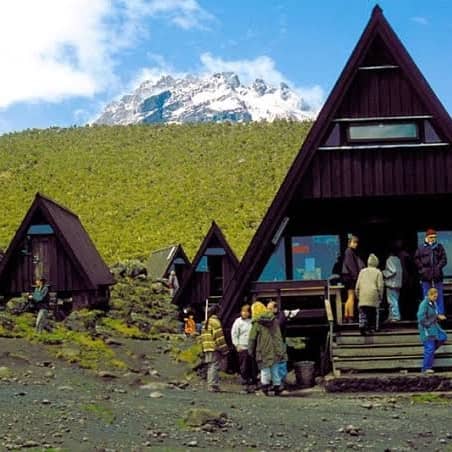
Numerous elements, like as the trekker's physical fitness, altitude acclimatization, weather, and the route selected, influence how challenging the Mount Kilimanjaro Trek is. Below is a summary of these factors: 1. Routes and Their Levels of Difficulty There are numerous paths available for Mount Kilimanjaro Trekking, each with differing degrees of difficulty: The Marangu route, also referred to as the "Coca-Cola" way, is said to be the simplest but has a lower success rate because it takes less time to acclimate. There are only route which provide hut accommodations among all routes, the rest is the camping. Machame route: Also referred to as the "Whiskey" path, this route is more difficult than Marangu but has a higher success rate since it provides better acclimatization and beautiful scenery. Lemosho and Shira Routes: Although they are longer, these routes are less difficult since they offer superior acclimatization. The less-traveled Rongai Route, which comes from the north, is somewhat challenging and provides ample opportunity for acclimatization. The Umbwe Route is regarded as one of the most challenging routes because of its quick ascent and reputation for being extremely steep and straightforward. 2. Health and Fitness Trekking the Mount Kilimanjaro requires a high level of physical fitness. Although no technical climbing skills are required, the route entails a considerable elevation increase and arduous hiking days, frequently lasting 6 to 8 hours. Strength, stamina, and cardiovascular endurance are crucial. 3. Acclimatization to Altitude: One of the biggest obstacles to climbing Mount Kilimanjaro is altitude. Uhuru Peak: its highest point is 5,895 meters (19,341 feet) elevation. whatever the fitness level you are, anyone can suffer from altitude sickness. The possibility of reaching the summit without experiencing severe altitude sickness is increased by routes like Lemosho or Northern Circuit that provide gentle ascents and additional acclimatization days. 4. The weather: Kilimanjaro's weather is irregular and varies with elevation. From tropical jungle at the base to freezing temperatures at the summit, trekkers encounter a variety of climate zones. It's essential to be prepared to face wind, rain, and extremely low temperatures. 5. Mental Hardness : The psychological component is frequently overlooked. Mental toughness is necessary due to the impacts of altitude, long trekking days, and possible weather-related suffering. With a midnight start and a daybreak arrival at the summit, the summit night is very difficult. In conclusion All things considered, trekking Mount Kilimanjaro is difficult yet achievable for most people who prepare well. A successful ascent depends on selecting the appropriate route, increasing physical fitness, allowing for enough acclimatization, and mentally preparing for the journey. Despite not being a challenging ascent, it requires perseverance, planning, and consideration for the state of the mountain.
Selecting the ideal time to start your hike will greatly improve your experience of climbing Mount Kilimanjaro, which is an incredible adventure. The best seasons to trek Mount Kilimanjaro are explained in detail below, taking into account weather and other variables: The Best Seasons for Climbing January to March Weather: The brief dry season includes these months. Clear skies and relatively mild weather provide excellent visibility. Benefits: Not as congested as during the busiest time of year. Particularly during the day, the temperatures are higher. Challenges include the possibility of snow on the peak and chilly evenings, which both increase the difficulty and the beauty of the surroundings.. April through May Weather: The extended wet season includes these months. Conditions are difficult since heavy rains are frequent. Benefits: June to October, with very few climbers on the mountain Weather: The extended dry season falls during this time frame. Because of the consistent and dry weather, it's the most popular time of year to climb. Benefits include reduced humidity, fewer rain, and clear skies. There is less chance of rain and the walkways are less muddy. Challenges: Because it's the busiest time of year on the mountain, trails and campsites are more congested. It's recommended to make reservations in advance. Seasons of the Shoulders Weather in November: The brief rainy season begins in this month. With sporadic rain, the weather can be unpredictable. Benefits: A more isolated and peaceful experience due to the reduced number of climbers. lush scenery as a result of the rains starting. Obstacles: Muddy and wet paths can make the hike more challenging and less pleasurable, making it a lonely and special experience. The surrounding flora is rich and colorful. difficulties are muddy, wet, and sliding areas. increased likelihood of cloud cover and low visibility. situations for trekking that are more challenging. Other Things to Think About Crowds: Try to visit during the shoulder seasons or at the start or finish of the main dry seasons (late January or early October) if you want a less crowded experience. Temperature: Although nighttime temperatures are typically lower from June to October, the summit can be bitterly cold at any time of year. Species and Scenery: The wet seasons, especially March through May, can provide breathtaking views of verdant landscapes and a greater variety of species. In summary, January until March and June until October are the best seasons to trek Mount Kilimanjaro. The best weather occurs during these times, making the walk safer and more pleasurable. However, the shoulder seasons of November and April–May can offer a distinctive and fulfilling experience if you're looking for a more sedate journey and are ready for more difficult conditions.
Whether it's for the Mount Kilimanjaro Trek or any significant expedition, getting to the base camp requires a number of crucial procedures, such as planning, traveling, and trekking. This is a broad synopsis of the procedure: 1. Getting ready Exercise Cardiovascular Training: To increase endurance, take part in sports like swimming, cycling, and jogging. Strength training: Put an emphasis on activities that strengthen your legs and core. Practice Hiking: Hike frequently while carrying a full backpack to replicate hiking conditions. Tools and Equipment Dressing: layered apparel, such as hiking boots, trekking pants, waterproof coats, and thermal wear. Equipment includes headlamps, a first aid kit, backpacks, sleeping bags, and hiking poles. Technology includes satellite phones, GPS units, and cameras. Documentation and Permits Obtain the required visas and permits. For instance, a National Park permit is needed to trek to Kilimanjaro. 2. Take Flights to the Region Traveling abroad: Take a plane to the closest large airport, such as Kilimanjaro International Airport JRO. 3. Planning a Route: Do your homework and make a plan. For trekking up Mount Kilimanjaro. Getting Used to the Environment Sickness at Altitude: To avoid altitude sickness, a gradual ascent is essential. Schedule rest days for nutrition, hydration, and acclimatization: To keep your energy levels up, eat foods high in calories and drink lots of water. Daily Trekking speed: To prevent fatigue, keep your speed consistent and moderate. Porters and Guides: For assistance with heavy lifting and navigation, think about using native porters and guides. 4. Completing the Final Ascent to Base Camp the last journey to the base camps. Make sure you get enough sleep and are acclimated. Appreciate the Trip Spend some time taking in the scenery, talking to other hikers, and taking pictures to preserve the memories. Safety Measures Keep an eye out for symptoms of altitude sickness, such as headache, nausea, and lightheadedness. Keep aware with the weather. Observe local laws and show consideration for the environment.
It's important to pack carefully for Mount Kilimanjaro trekking in order to make sure you have everything you need and that your load is reasonable. This is a thorough list of items you should bring on your hiking trip: Essential Equipment Pack: With a capacity suitable for the length of your journey (30–50 liters for a day hike, and 50–70 liters for multi-day excursions), pick a backpack that is comfortable, long-lasting, and waterproof. Daypack: For quick trips from your base camp, a small daypack is helpful if you have a larger pack. Base Layers of Clothes: shirts and underwear that wick away perspiration to prevent it from getting on your body. An insulating layer, such as a down jacket or fleece, will keep you warm in chilly weather. Outer Layer: A jacket and pants that are windproof and waterproof. Trekking Pants: Cozy, fast-drying trousers. Extra Clothes: Extra underwear and socks. Think about packing an extra pair of pants and a shirt. Gloves and a hat: For warmth in colder climates and protection from the sun. To shield your neck from the sun or wind, wear a scarf or buff. Trekking boots are sturdy, water-resistant, and well-maintained footwear. Lightweight shoes are ideal for walking around the campsite. Socks: Premium trekking socks that wick away moisture. To avoid blisters, think about packing liner socks. Select a sleeping bag based on the lowest temperature you anticipate. Sleeping pad: For comfort and insulation. Tent: Weather-appropriate and lightweight (if not provided or living in huts). Even with a GPS, a map and compass are still necessary for safety and navigation. Smartphone or GPS device: Provided with a power bank and downloaded maps. Bandages, blister treatment, antiseptic, painkillers, and any personal medications should all be included in the first aid kit. Knife or multitool: For a variety of jobs. Flashlight or headlamp: With spare batteries. Whistle: In case of an emergency. Waterproof matches or a lighter can be used as a fire starter. Nutrition and Hydration Make sure you have extra water bottles or a hydration bladder for the duration of your hike. UV purifiers, tablets, or filters can be used to purify water. Food: Nuts, dried fruits, energy bars, and freeze-dried meals are examples of foods that are high in energy and low in weight. Fuel and Stove: Lightweight and appropriate for the cooking style of your choice. Cookware & Utensils: A tiny cleaning kit, a spork, a mug, and a lightweight pot. Individual Things Sunscreen: UV protection with a high SPF. SPF-containing lip balm. Toiletries: a quick-dry towel, toothpaste, toothbrush, and biodegradable soap. Toilet paper and a tool used for dumping of waste need to be kept in a waterproof bag. Insect repellent: To ward off insects. ID, licenses, and any other required paperwork are examples of personal identification. Useful but optional Hiking Poles: To provide stability and lessen leg strain. Camera: To document the moments. Pen and Journal: For recording your travels. To shield your eyes from the light of the sun, put on sunglasses. To keep your gadgets charged, use a portable charger. Layering Advice: Wear layers so you can quickly adapt to shifting weather conditions. Weight Distribution: To keep your balance, place heavier items in the middle and near to your back. Check Your Equipment: Make sure all of your equipment fits comfortably and is in good shape before your walk. You'll be ready for a fun and safe journey if you give careful thought to these things and adjust your pack to the particulars of your journey, including its length and conditions.
Trekking Mount Kilimanjaro is a fantastic trip, but it's also very physically demanding. It is essential to get fit for this walk for the following reasons: 1. Acclimatization to Altitude : With an elevation of 5,895 meters (19,341 feet), Mount Kilimanjaro is Africa's highest peak. Altitude sickness may result from the thinner and lower oxygen content of the air at such high elevations. Being physically fit lowers your risk of developing severe altitude sickness by enabling your body to adjust to reduced oxygen levels more effectively. 2. Stamina and Endurance: Long days of hiking, frequently over rough and steep terrain, are part of the expedition. The average day lasts five to seven hours, but the summit day can be substantially longer, often requiring 12 to 15 hours of nonstop trekking. Being physically active makes these long days easier to handle because it enhances your stamina and endurance. 3. Strength and Power Kilimanjaro's varied landscape consists of loose sand, rocky trails, and even ice and snow. Improving your strength, especially in your back, legs, and core, lowers your chance of injury and falls by assisting you in maintaining stability and balance. 4. Mental Sturdiness Mental toughness is influenced by physical fitness. The difficult conditions, including as frigid weather, exhaustion, and the psychological strain of summit day, can make the climb extremely challenging. A strong mind is frequently supported by a healthy body, which keeps you inspired and positive. 5. Preventing Injuries Common trekking injuries like sprains, strains, and joint problems can be avoided with proper fitness training that include strength and flexibility exercises. A healthy body is better able to withstand the physical strain of the Mount Kilimanjaro Trek, enabling you to bounce back from small problems and steer clear of more serious ones. 6. Pleasure and Experience You will enjoy the trek more if you are in decent physical condition. You can enjoy the breathtaking scenery, varied ecosystems, and distinctive species rather than straining to keep up with every step. Being physically fit enables you to focus entirely on the experience rather than being distracted by discomfort. 7. Personal and Social Safety Trekkers who are in good physical condition have a higher chance of finishing the journey safely and are better prepared to deal with crises. The pace and safety of the group are also influenced by your level of fitness; being in good shape guarantees that you can keep up and improve group dynamics. In conclusion Cardiovascular training, strength training, flexibility exercises, and trekking practice are all part of the physical preparation for the Mount Kilimanjaro Trek. In addition to increasing your odds of reaching the summit, this preparation guarantees that you will do it in a safe and enjoyable manner. You can get the most out of this once-in-a-lifetime experience by making an investment in your fitness.

Frequently Asked Questions

When the weather is consistent and the trails are dry, the finest seasons are January to March and June to October. Steer clear of April and May because of the intense rains, which make trekking more difficult and less pleasurable.
The Marangu Route is well known but easier with hut accommodations. Machame Route is the Attractive and wonderful, but more challenging with the steepness. The Lemosho Route is the best for acclimatization and has breathtaking vistas. The drier and quieter Rongai Route is ideal for anyone who like to avoid crowds. The longest and most effective circuit for altitude adaptation is the northern one.
Yes, trekking on your own is prohibited. All climbers must be accompanied by licensed proffesional guides and support staff, according to Tanzanian regulations. With some strong reason you may not need the carriers (porters) and cook but is mandatory to have a guide despite you have a map and all supporting materials still you need a local Tanzanian guide.
Insufficient amounts of oxygen at high altitudes are the root cause of altitude sickness. Choose a longer route for better acclimatization to avoid it. eating properly and drinking enough water. "Pole, pole" (slowly, slowly) is the golden guideline when it comes to taking things gently. if required, using altitude medication such as Diamox.
Success rates depend on the route: Short routes (Marangu, Machame in 5–6 days) = 50-60% Longer routes (Lemosho, Northern Circuit) = 85-90% The more days you take, the higher your chances of success.
Absolutely. Your insurance should cover high-altitude trekking (above 5,895m), medical emergencies, and evacuation in case of altitude sickness or injury. In Kilimanjaro helicopters services are available and your guide together with rescue team and rangers in the camp can help you to organize your evacuation procedures.
Anticipate meals that are high in energy, such as rice, pasta, soups, vegetables, and foods high in protein. With advance notification, certain dietary needs (vegetarian, vegan, or gluten-free) can be met.
In a single journey, you will encounter all four seasons! Base: humid and warm (forest). Midway: Moorish, cool, and windy. High altitudes: chilly and windy. Freezing temperatures at the summit (-20°C or below)
Being physically fit is beneficial, but it's not necessary to be an athlete. It's endurance, not speed, that matters. You will be well-prepared with regular trekking, aerobic exercises, and leg-strengthening activities.

Photo Gallery

What We Love About the Mount Kilimanjaro Trekking

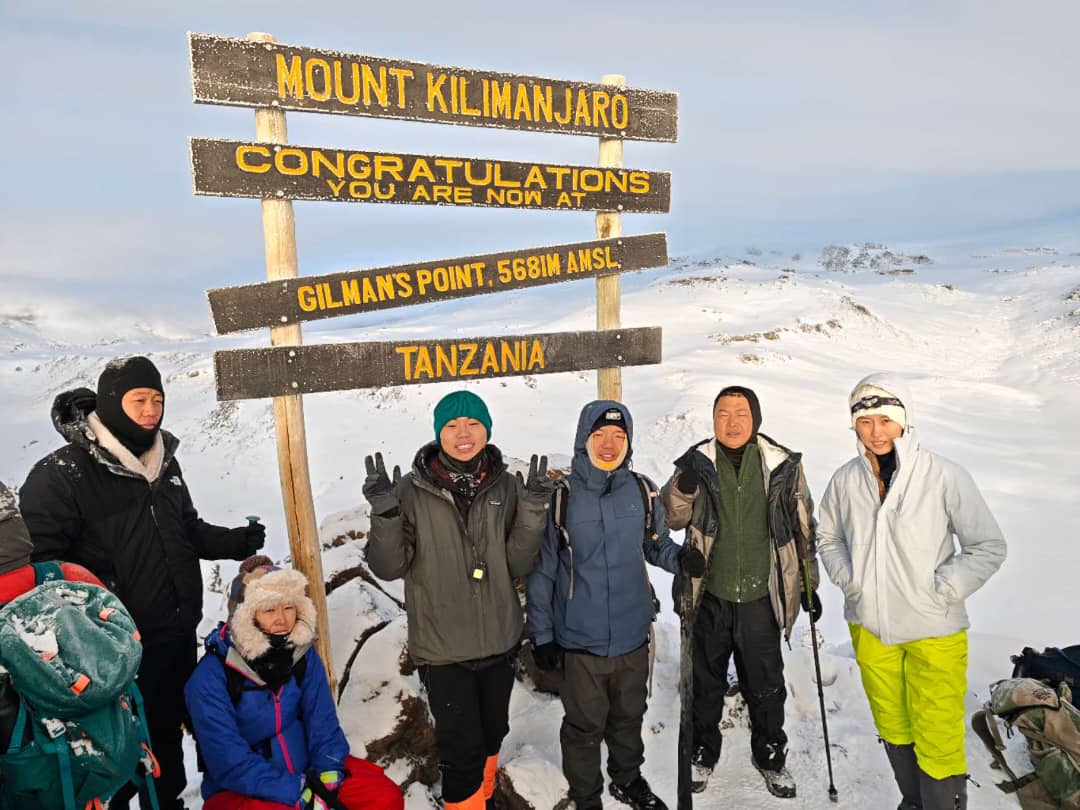
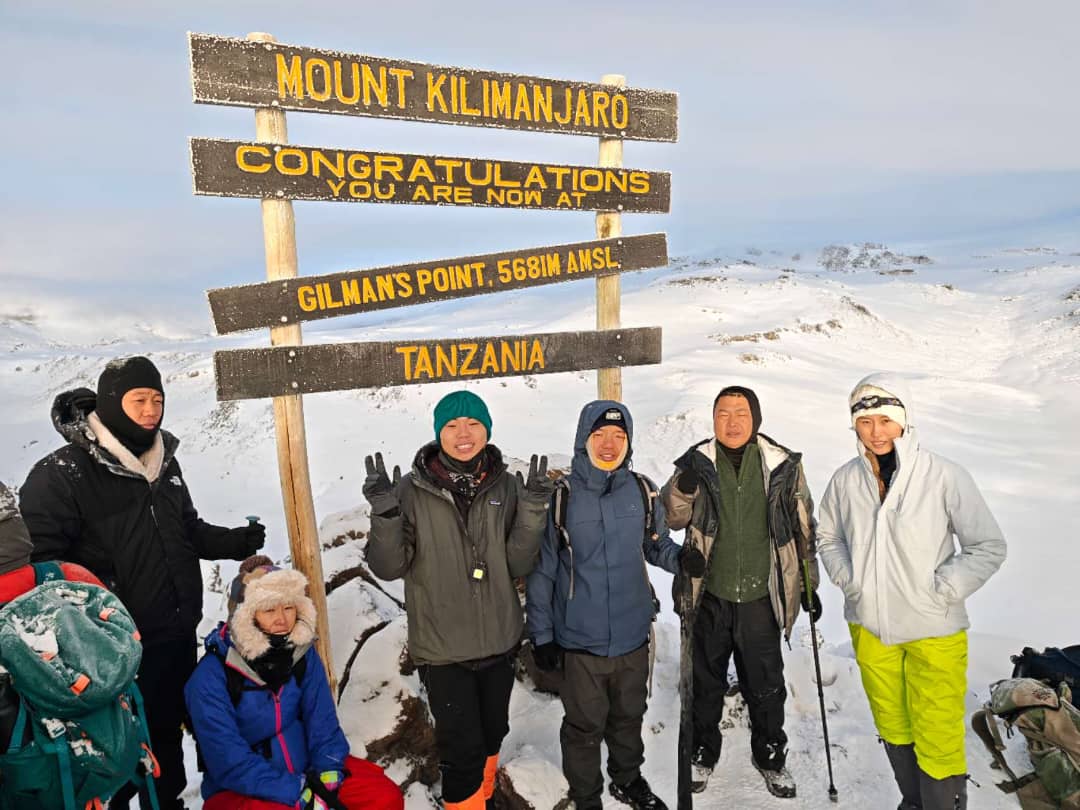
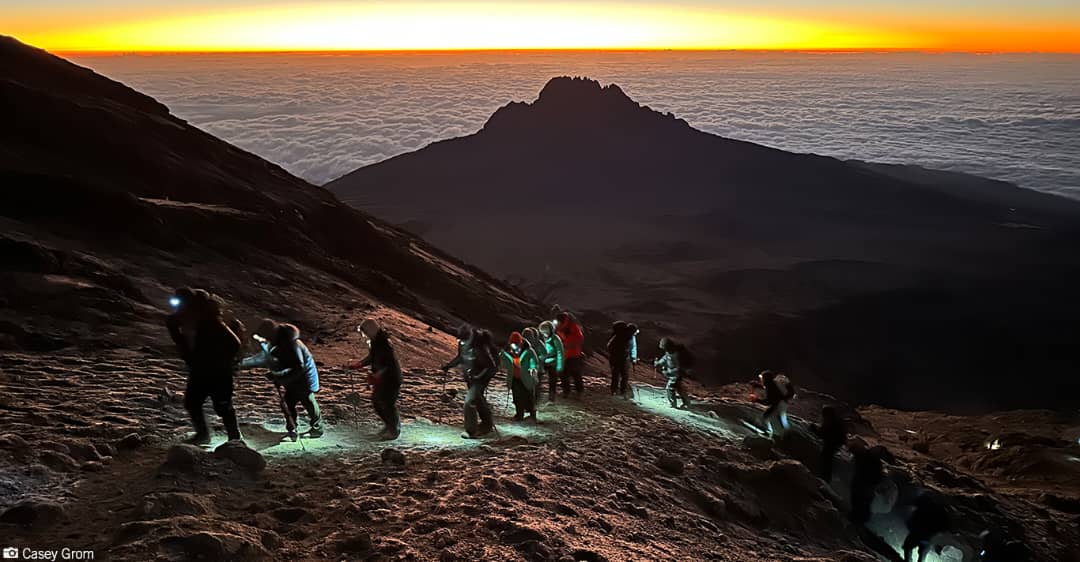
The Sunrise During the Iconic Ascent to Uhuru Peak

The Adventure of Climbing to Uhuru Peak

The climb to Uhuru Peak attracts adventurers and mountaineers worldwide, earning its place among the Seven Summits. It offers a rare and unforgettable journey to the pinnacle of Africa, a goal that combines physical challenge with awe-inspiring rewards.

The Thrilling Ascent

At around 11:30 PM, the ascent begins under a starlit sky. Climbers endure freezing temperatures while navigating a steep climb of over 4,000 feet across 5 kilometers. This grueling trek aims to reach the summit by sunrise, an effort that embodies the spirit of true adventure. Each step is a testament to determination and resilience, as the journey becomes a personal expedition into the unknown.

The Breathtaking Sunrise

With the summit comes a sunrise that defies description. The dark sky gradually shifts, painted in fiery reds and deep oranges that illuminate the horizon. Watching the sun emerge over the vast African plains is a moment that justifies every challenge faced along the way. This awe-inspiring view etches itself into memory, creating a connection with nature’s grandeur.

The Challenge of the Trek

Reaching the summit demands both physical and mental preparation. Achieving this feat requires not just fitness but a dedication to rigorous training. The climb is a challenge, but one that rewards trekkers with a sense of accomplishment unlike any other.

The Five Climatic Zones of Kilimanjaro

Experiencing the Five Climatic Zones on Kilimanjaro

One of the most captivating features of trekking Mount Kilimanjaro is the chance to traverse five distinct climatic zones, each with unique characteristics and challenges.

Bushland Zone (2,600 ft to 6,000 ft)

As you leave Moshi and approach the Machame park gate, signs of human activity are abundant. Grazing livestock and small farms dominate the landscape, replacing the native scrubland and lowland forests. On the southern side of the mountain, fertile volcanic soil and ample rainfall create ideal conditions for agriculture, further transforming the environment.

Rain Forest Zone (6,000 ft to 9,200 ft)

Encircling Kilimanjaro is a lush montane rainforest. This dense, damp ecosystem teems with life, hosting a variety of bird and animal species. The rainforest is a verdant gateway, offering a stark contrast to the arid zones higher up.

Heath and Moorland Zone (9,200 ft to 13,200 ft)

Beyond the rainforest, the landscape changes dramatically. Scrubby shrubs, giant heathers, and tussock grasses dominate the scenery. The lower part of this zone is often compared to the Scottish Highlands, with its rugged beauty and expansive views. The sharp transition from forest to heathland highlights the mountain’s ecological diversity.

Alpine Desert Zone (13,200 ft to 16,500 ft)

This zone is stark and unforgiving, where the sun scorches by day and temperatures plummet below freezing at night. Water is scarce, and only the hardiest plants, like mosses and lichens, manage to survive. Rugged rock formations and sweeping vistas define the barren landscape, punctuated by occasional patches of hardy vegetation.

Arctic Zone (16,500 ft and Above)

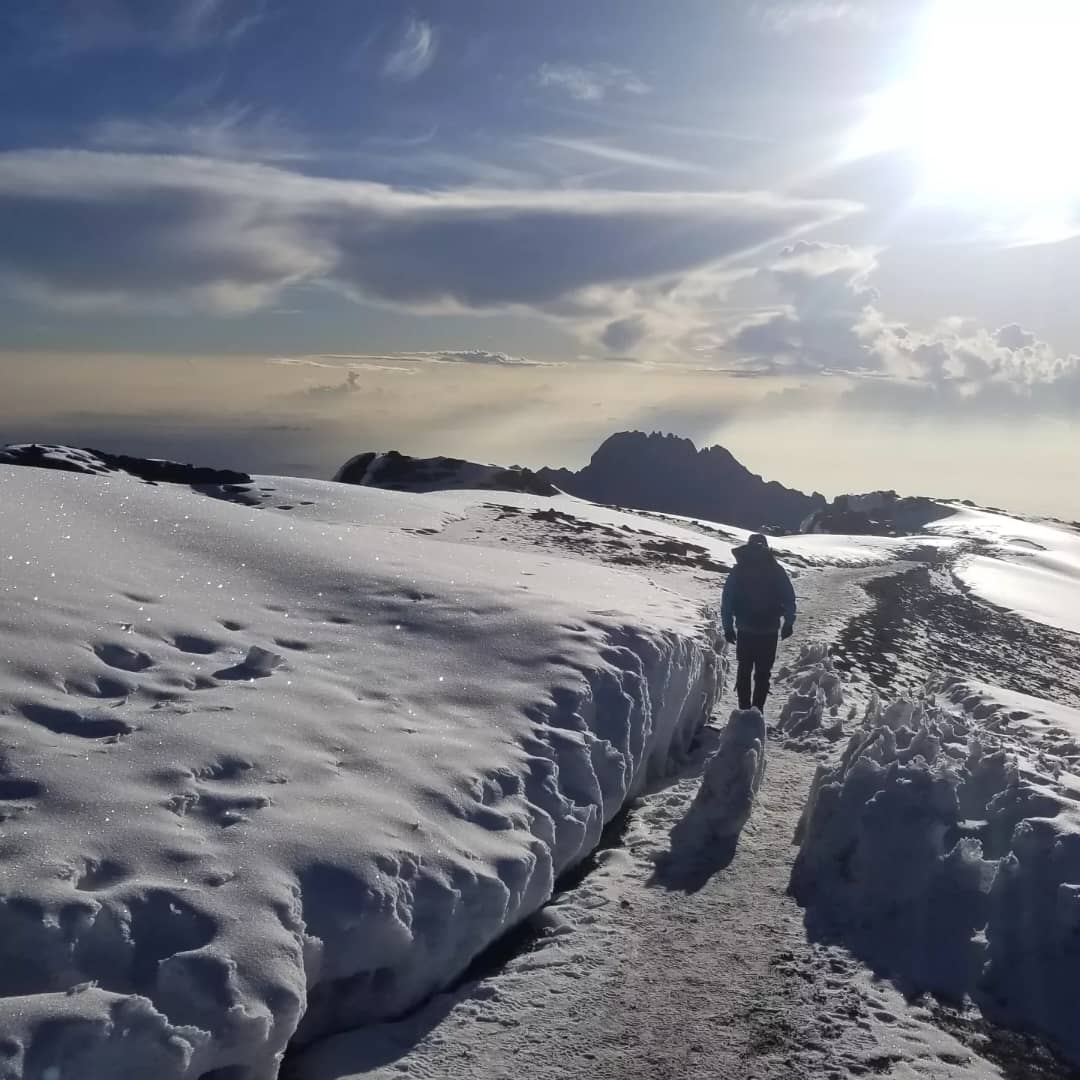
The arctic zone is a realm of extremes. Intense sunlight during the day contrasts with freezing temperatures at night. Oxygen levels here are only half those at sea level, making it challenging for trekkers. The zone’s landscape is dominated by massive glaciers, boulders, and ancient lichens—the sole survivors in this inhospitable environment.